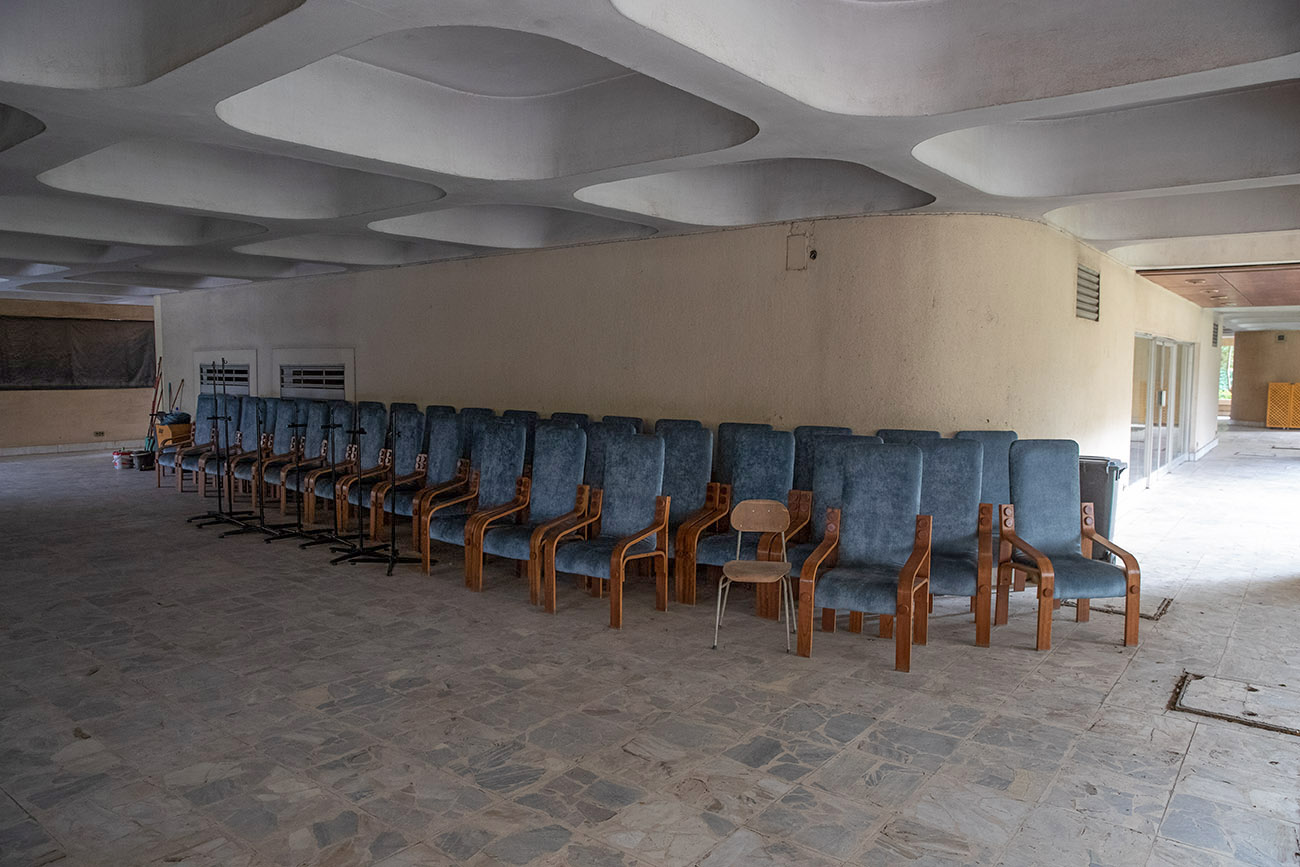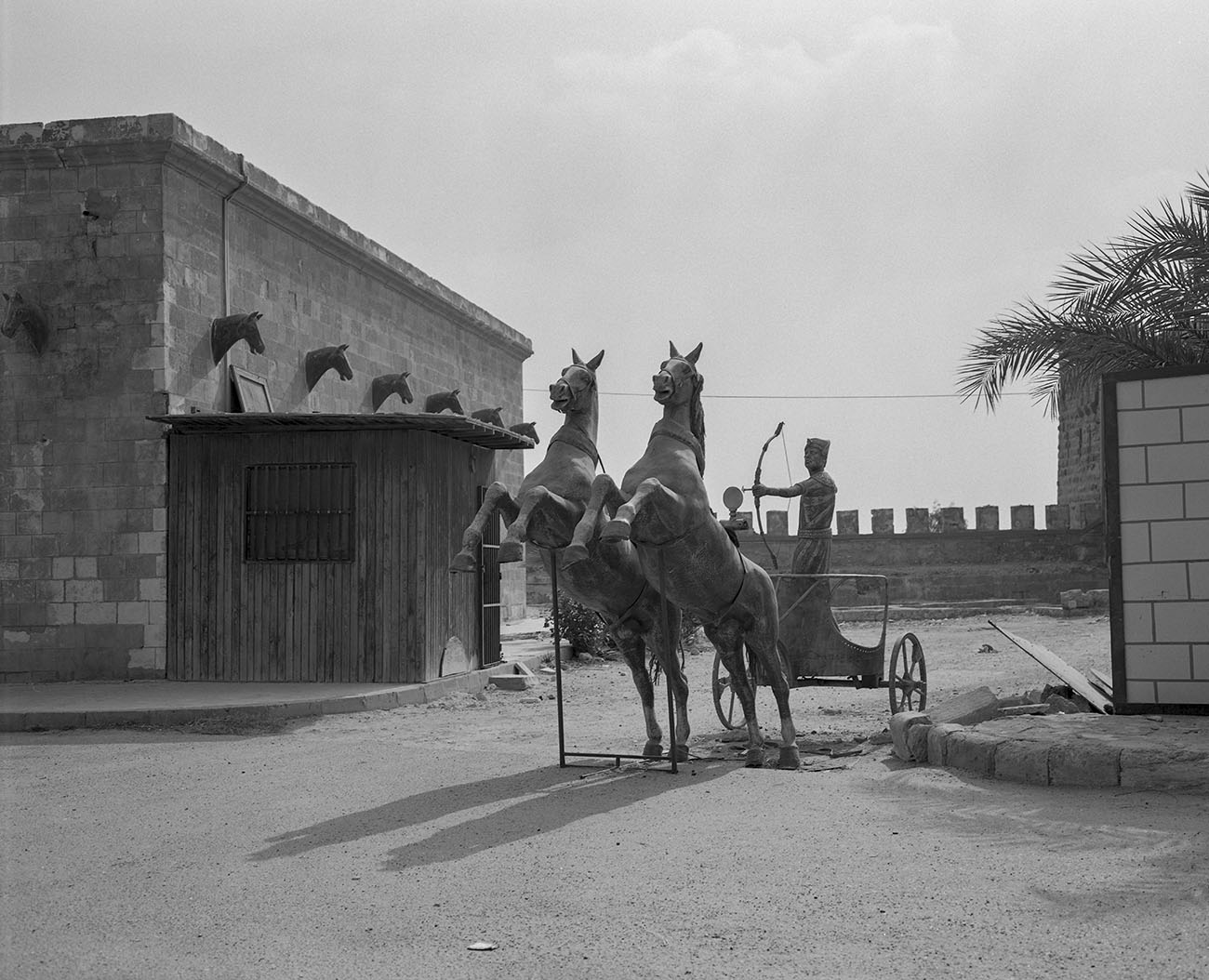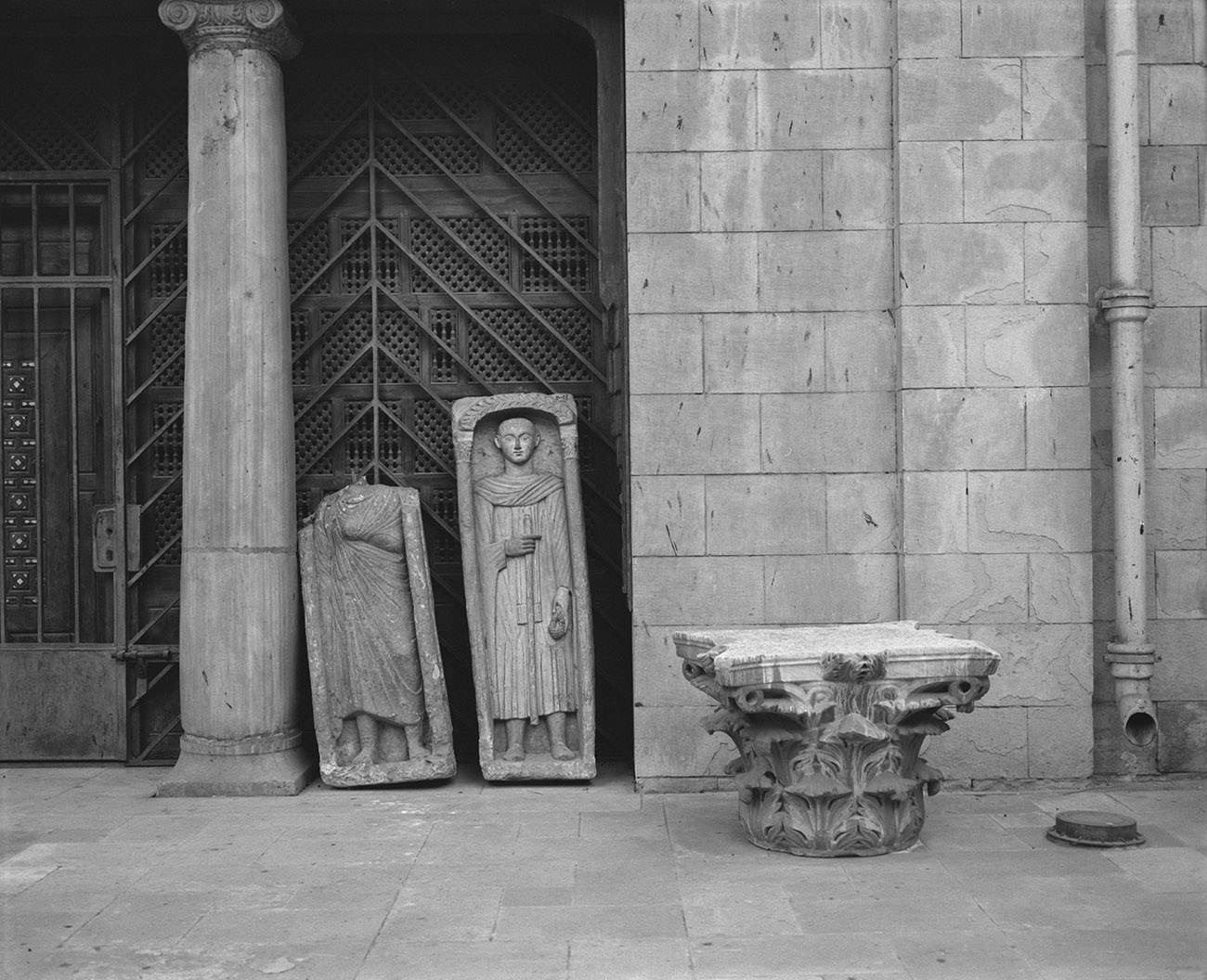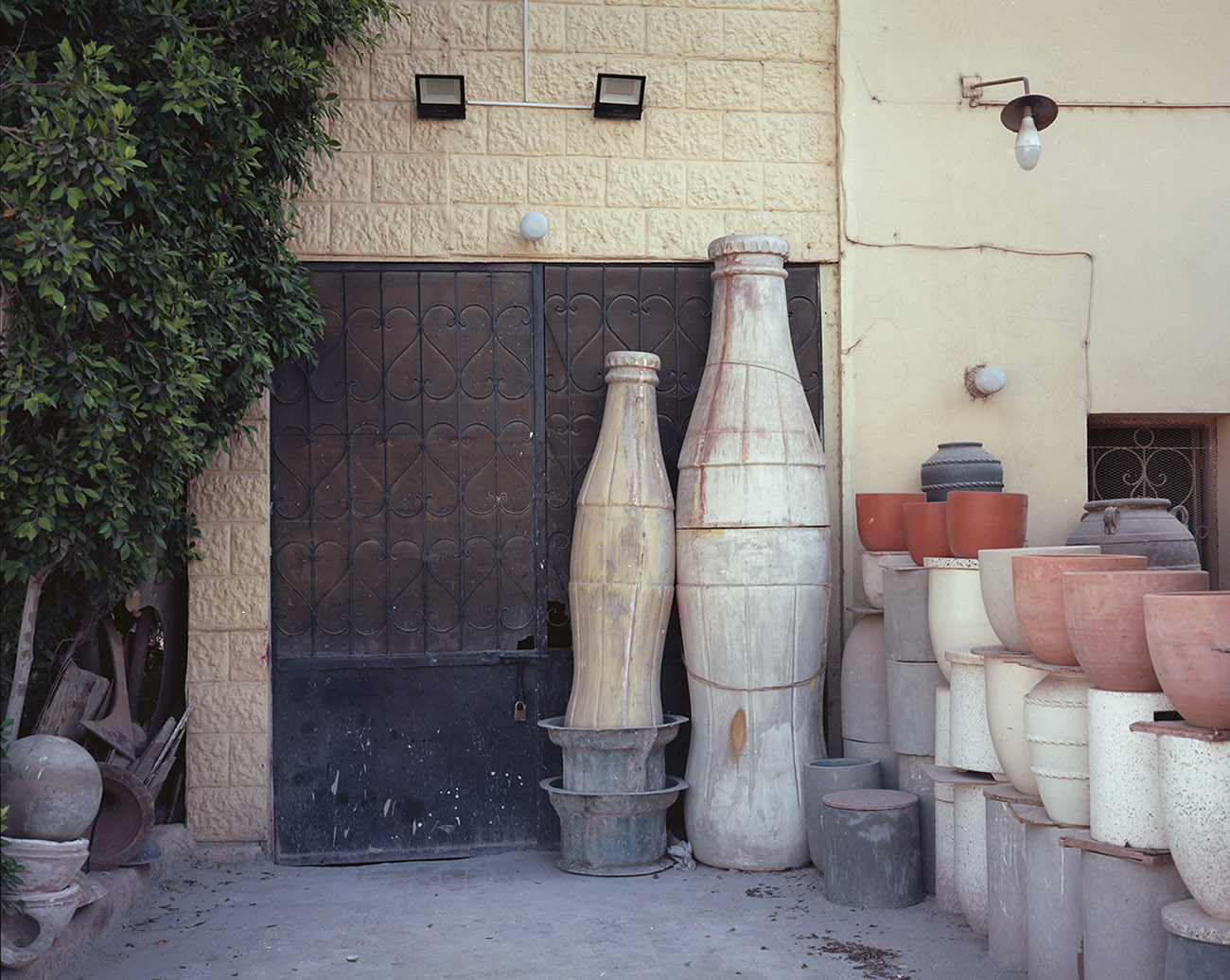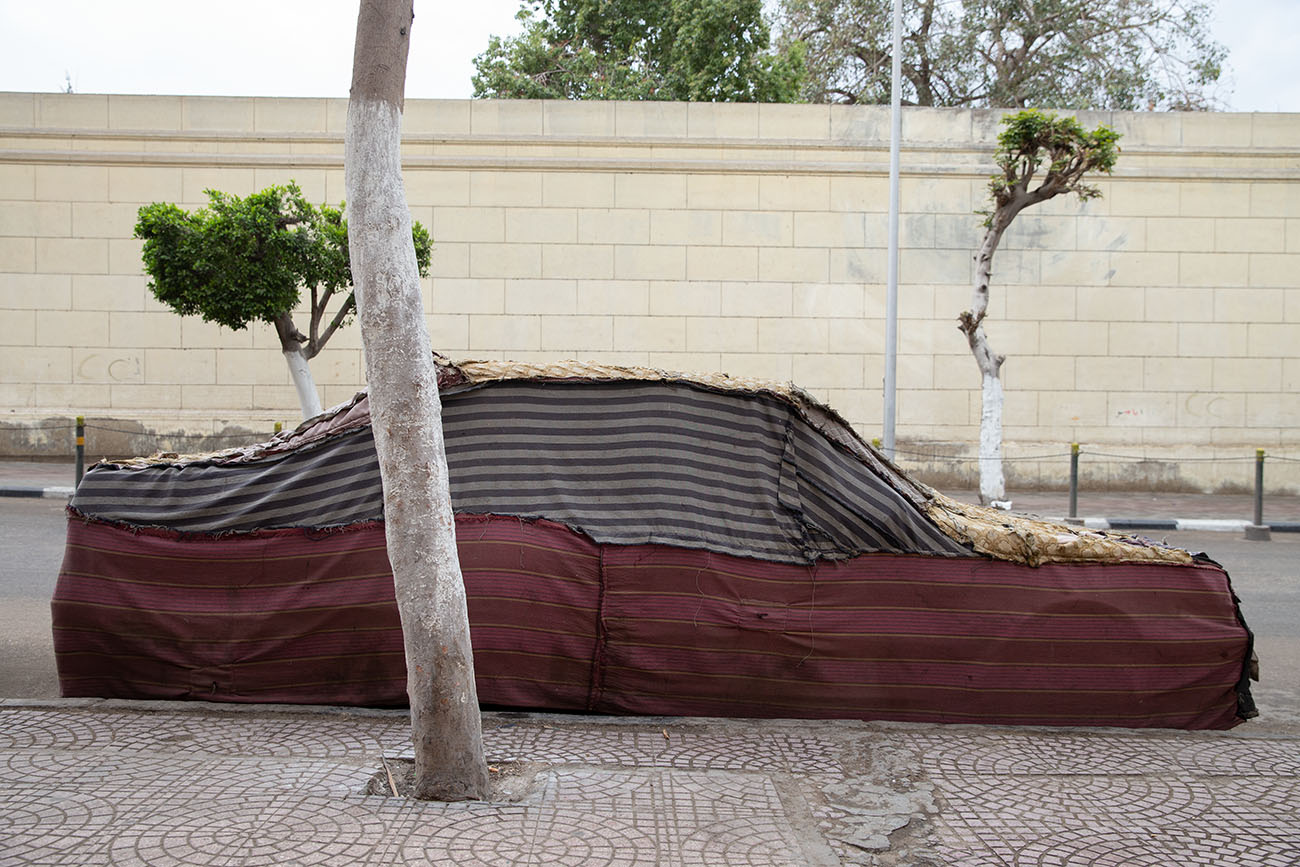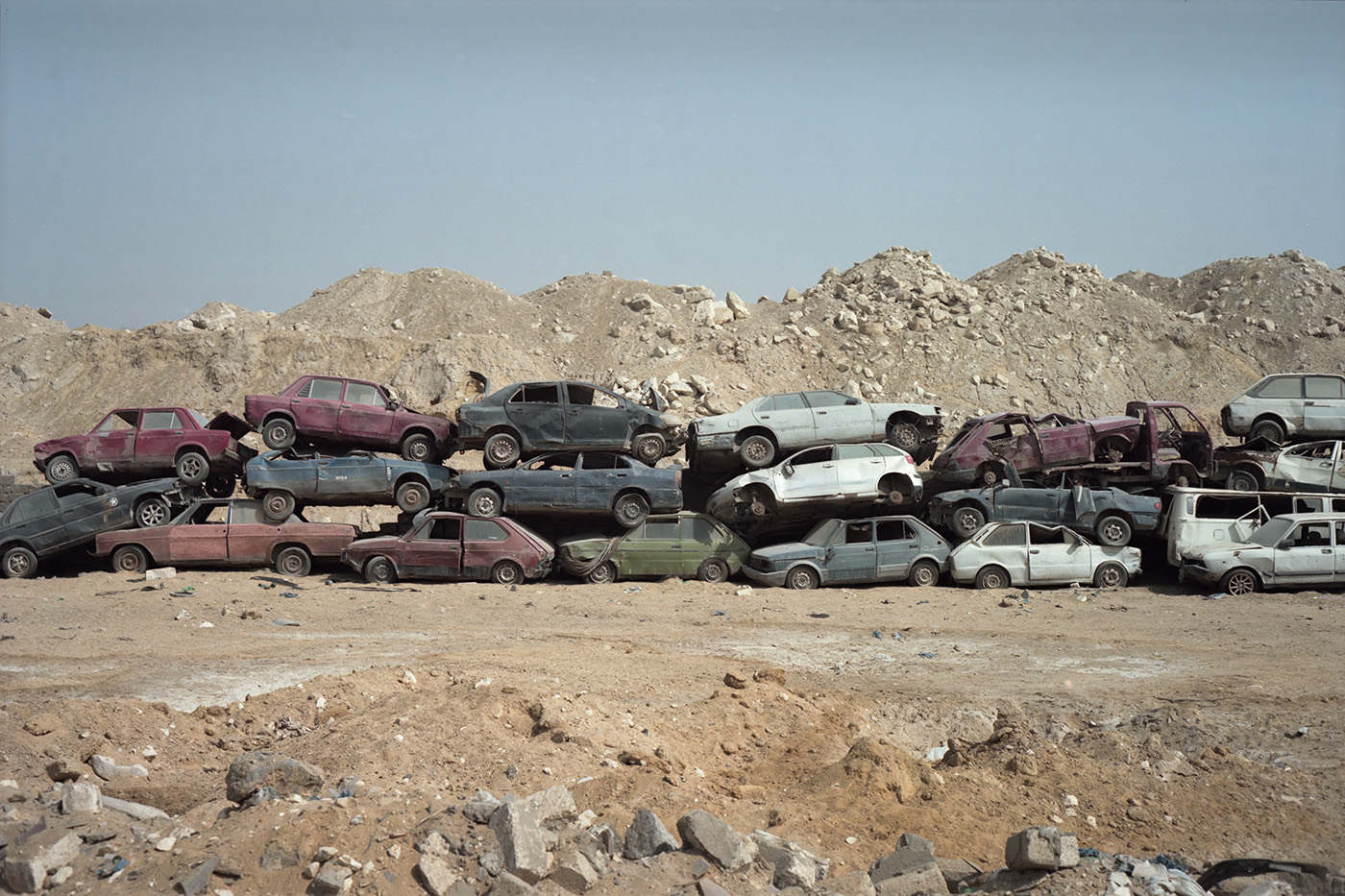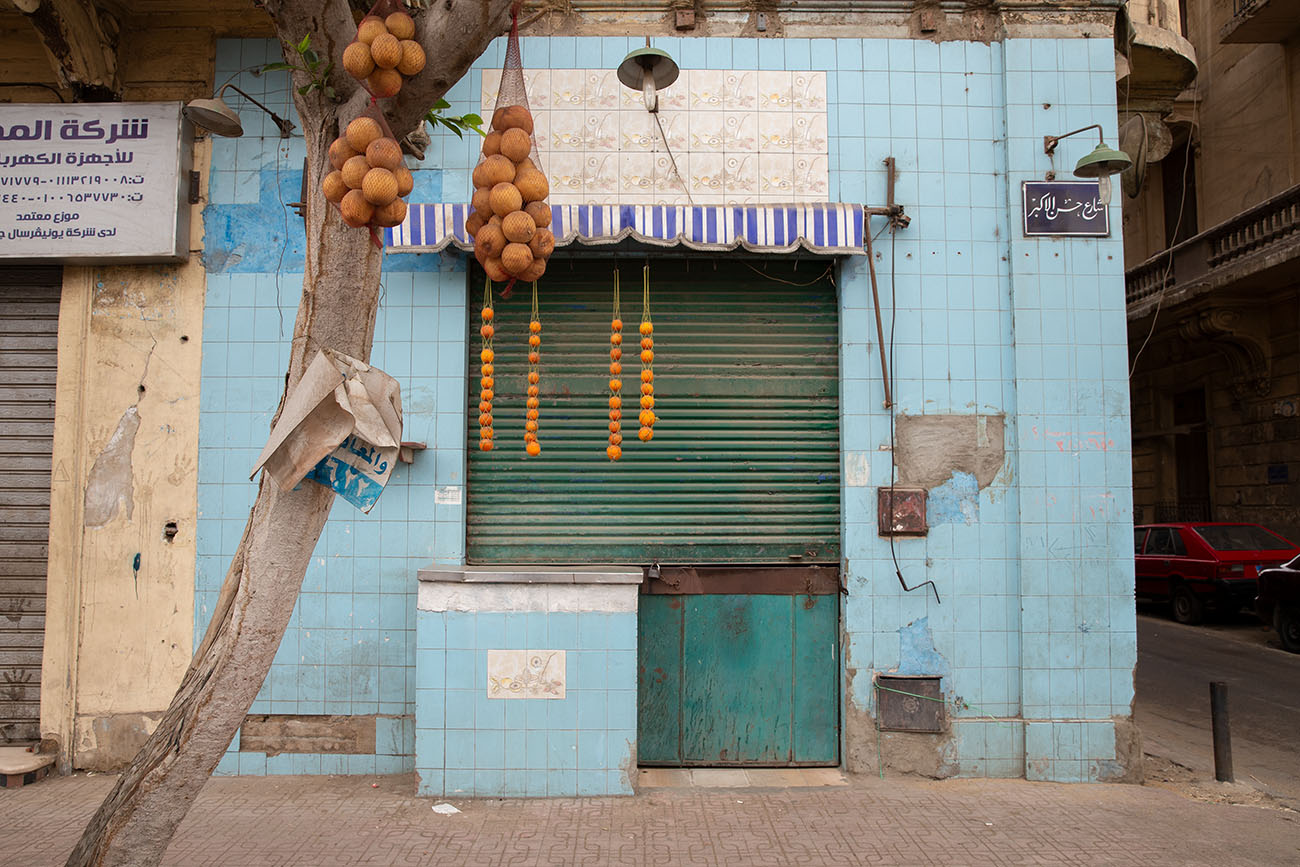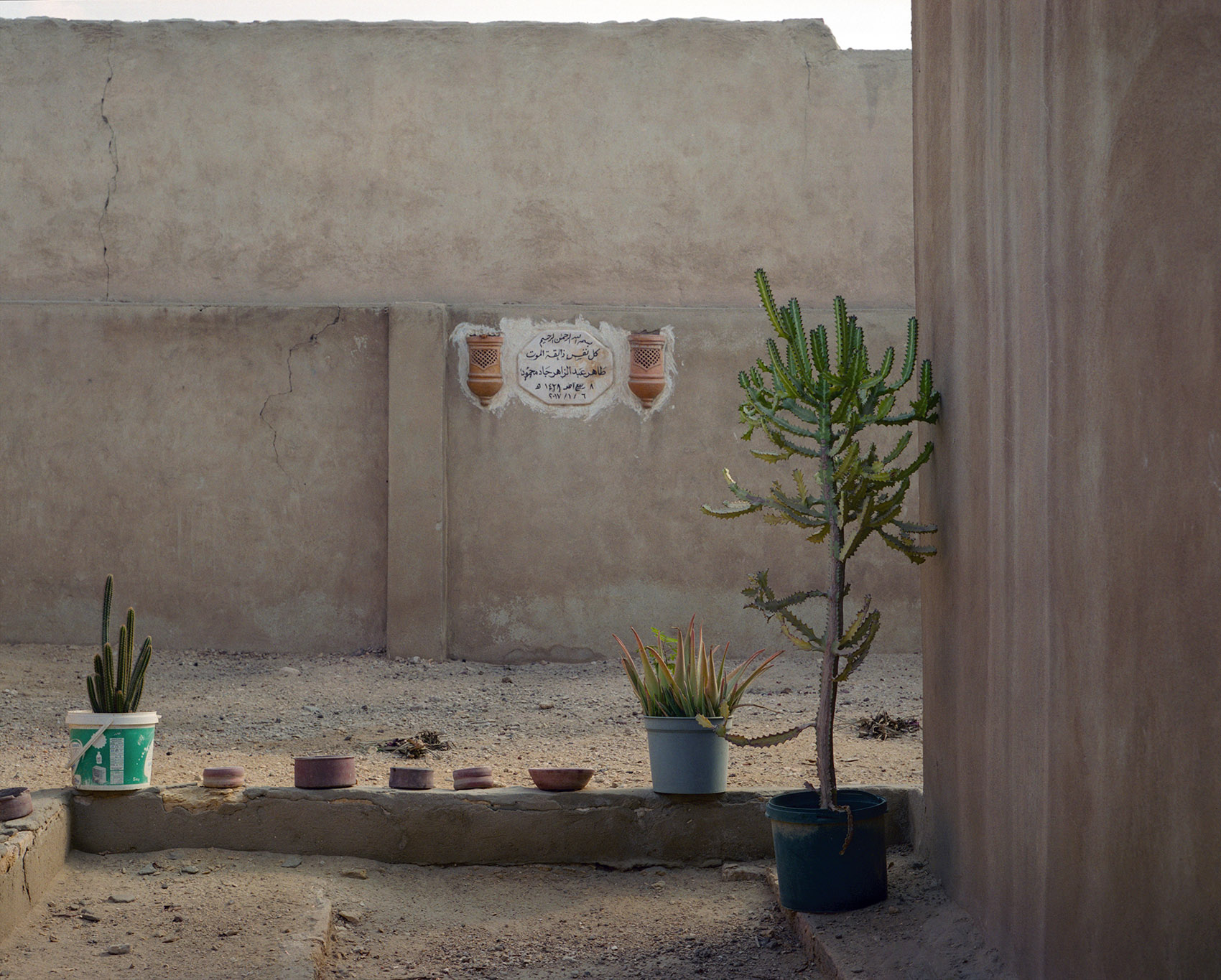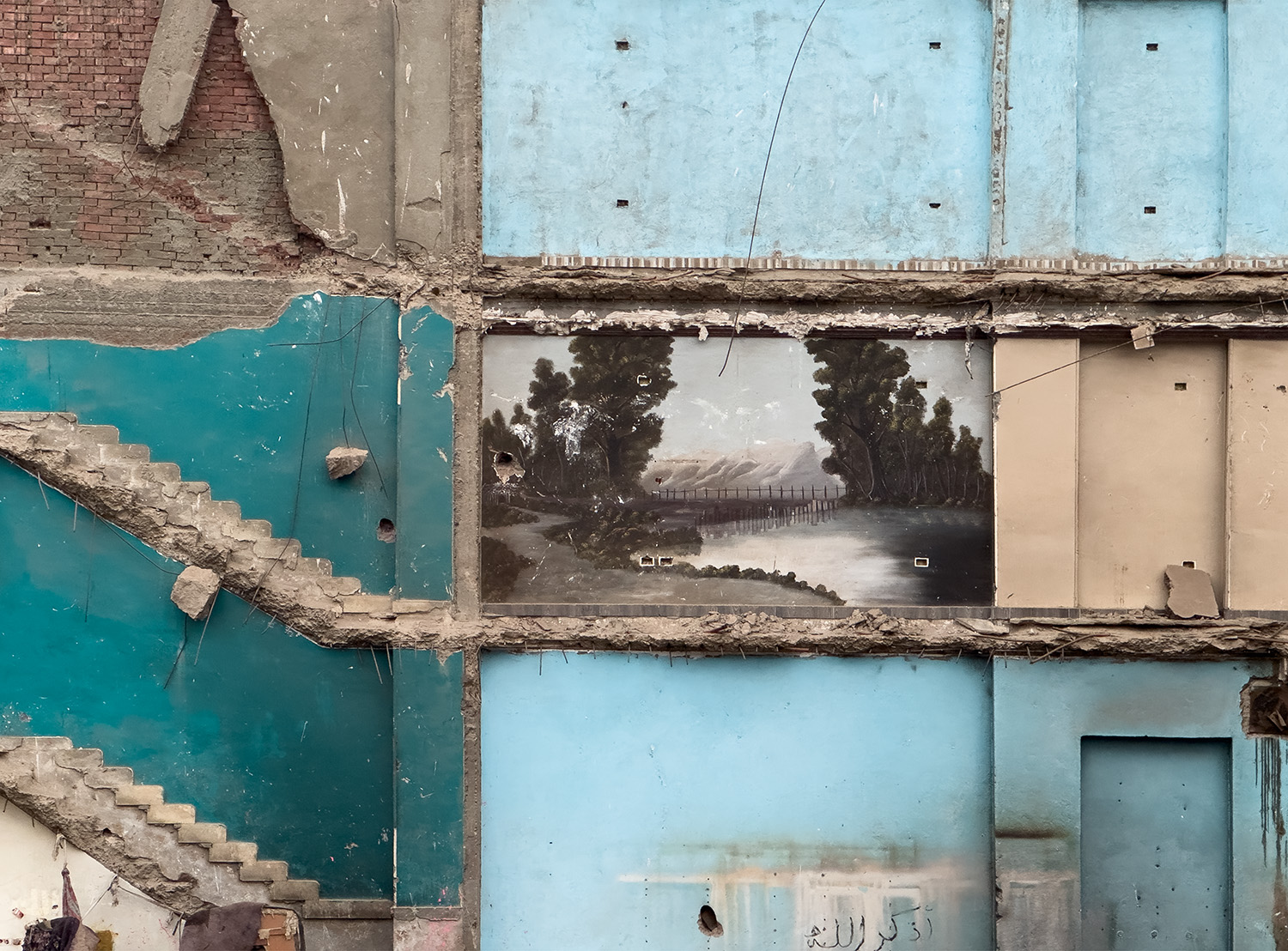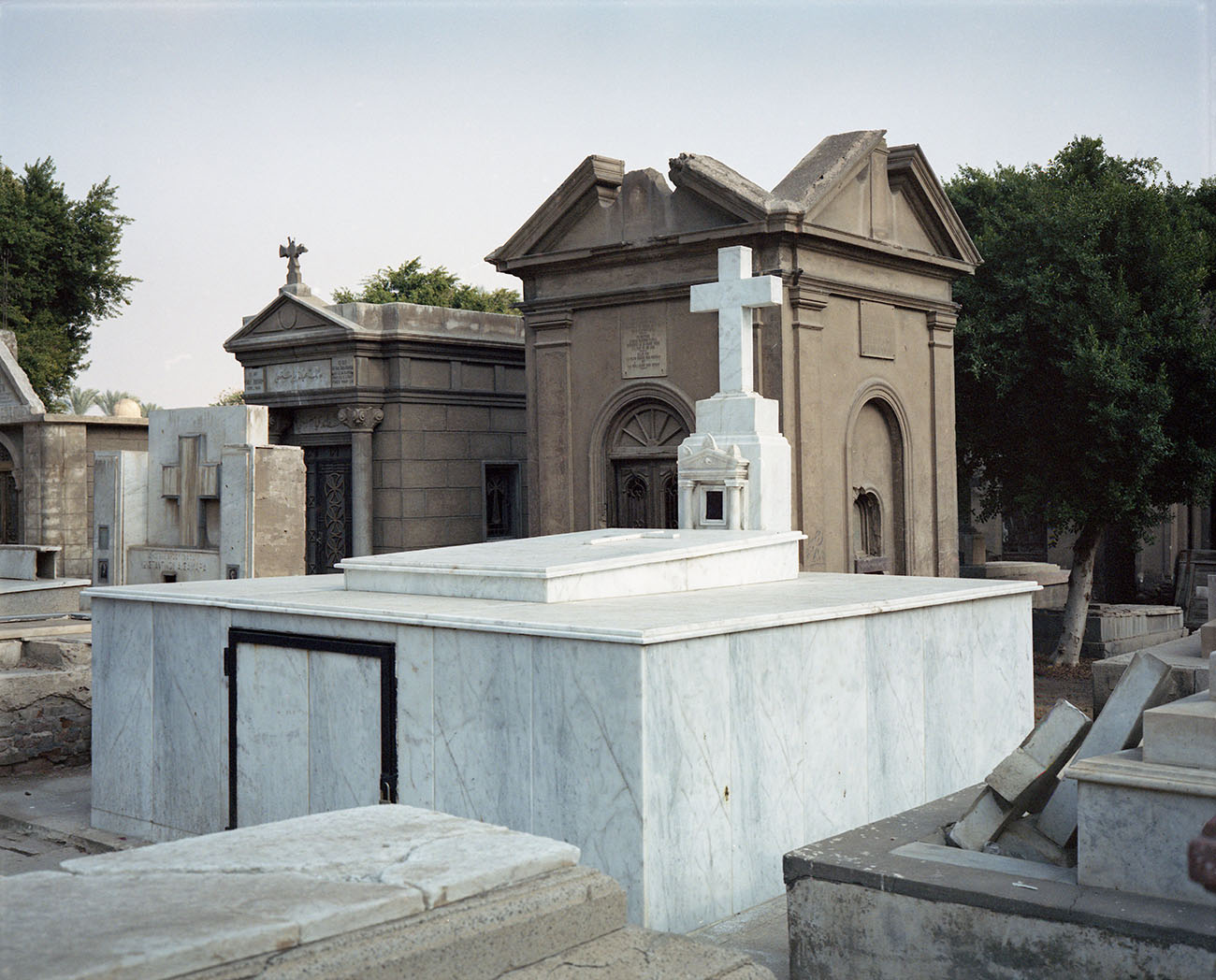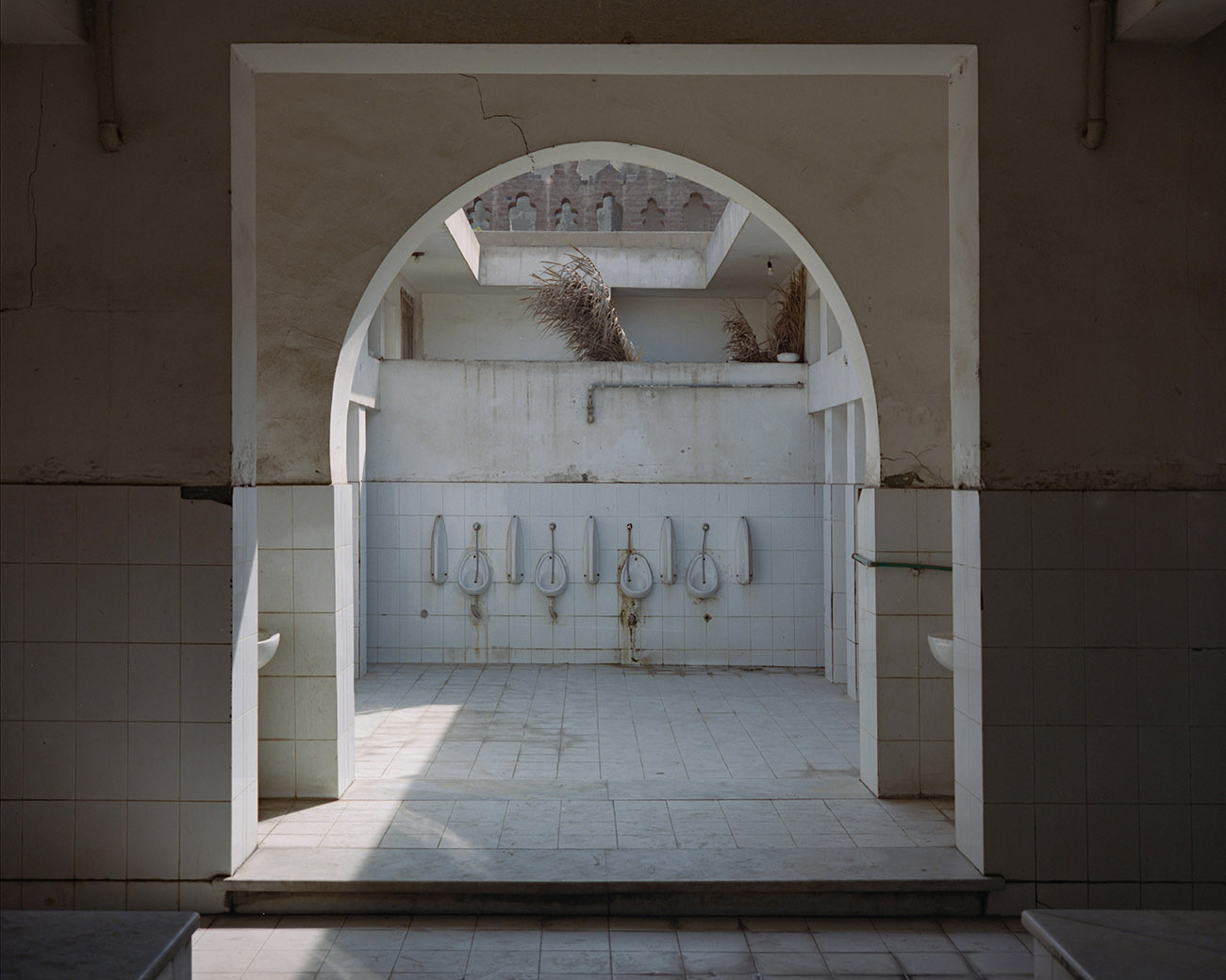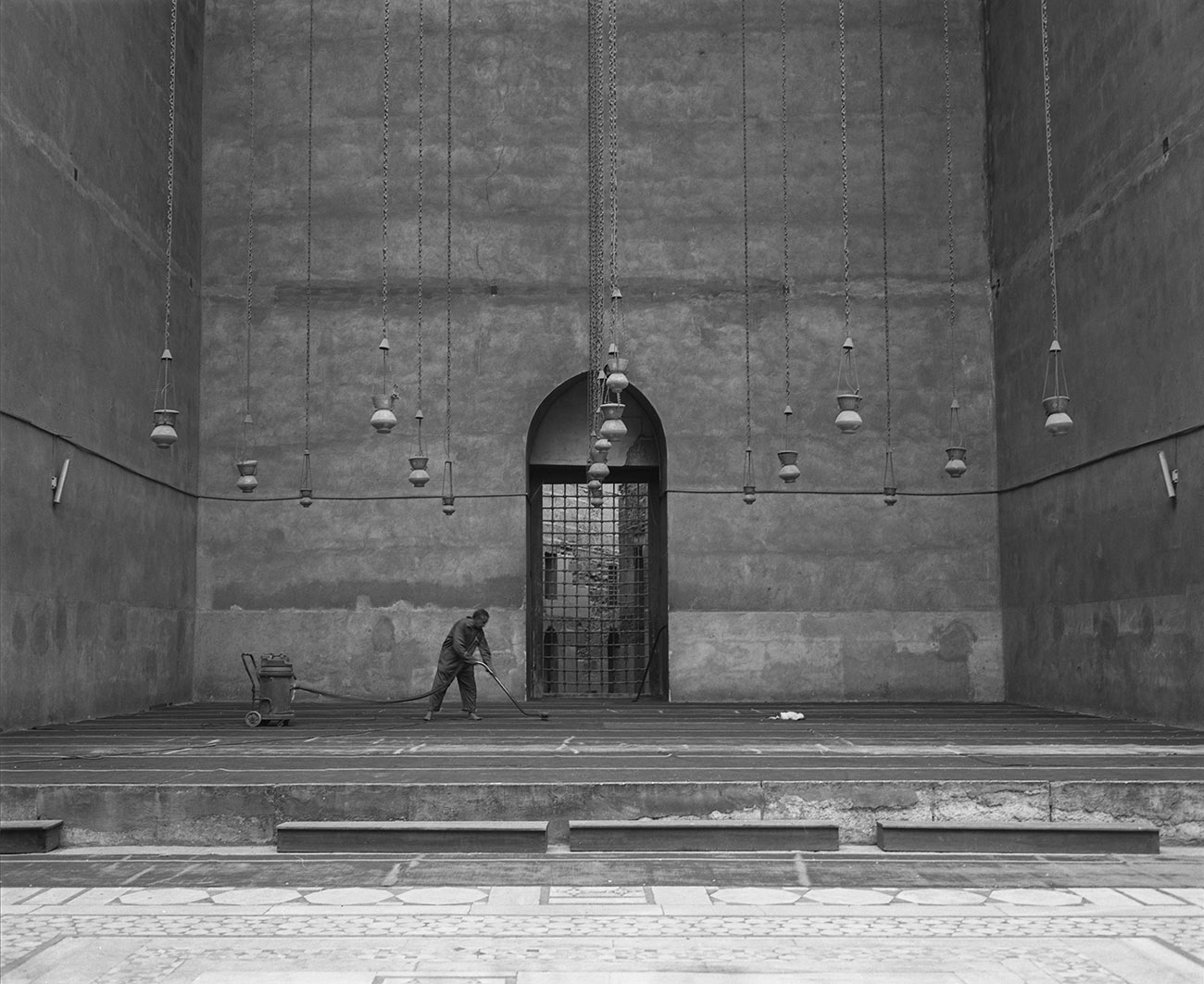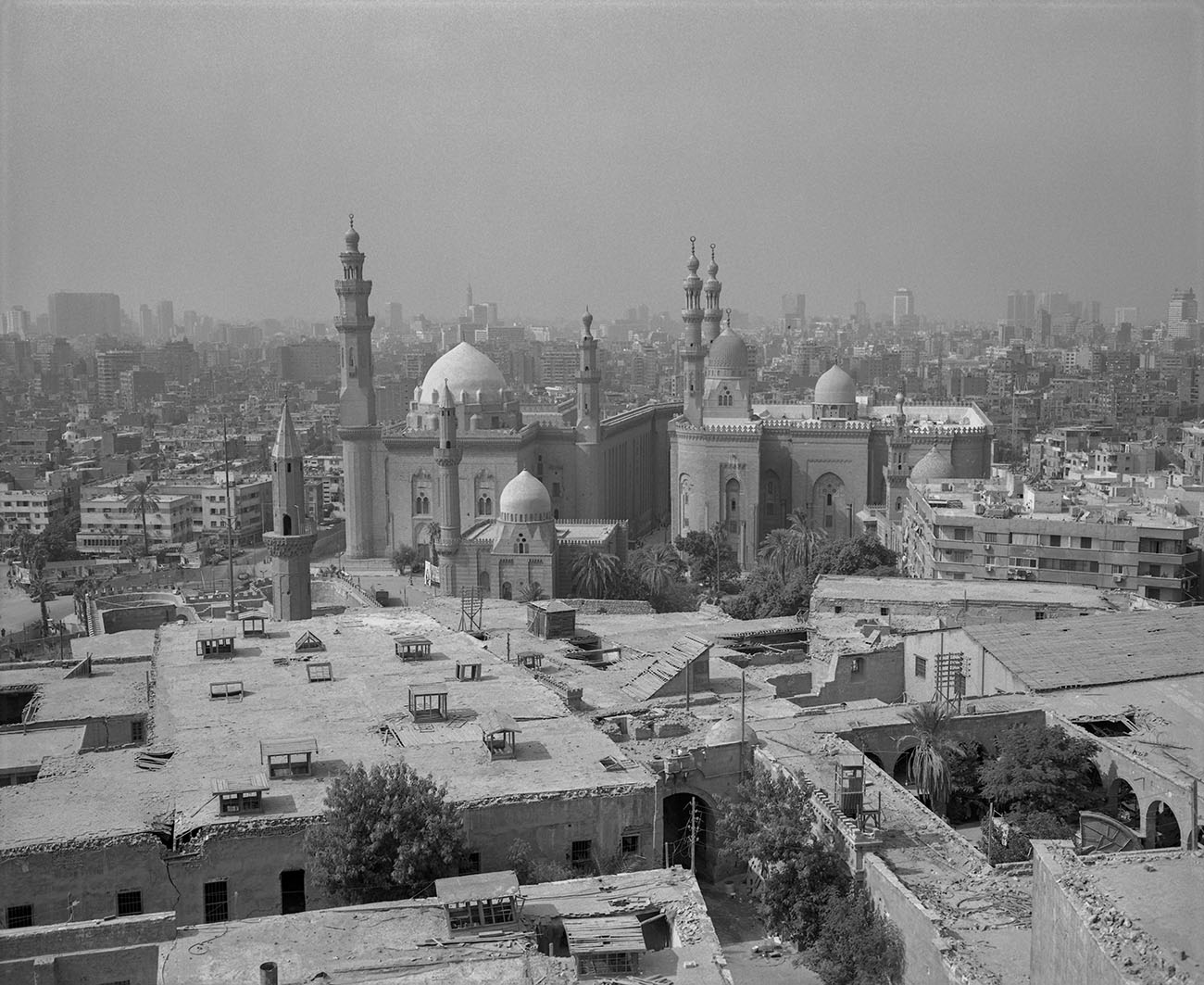
When I first walked through the streets of Cairo in 2017, I was overcome by a feeling of my own nothingness. An existential void. Crowded among people accompanied by loud conversations, Arabic gestures, the sounds of engines and horns. Everything was shrouded in a fine haze of smog, which in one place had a characteristic sour smell mixed with food, garbage, diesel engines, fresh vegetables, fruit, meat, and fish. Fascinated by the place, I sat down in a café, ordered tea, and watched the action in front of me. I often deliberately let myself be carried away by the complexity of the streets so that I would get lost. From the beginning, slowly getting to know Cairo based on the principle of chance seemed to me to be the most appropriate way to start taking pictures. I ostentatiously photographed everything around me. People at work and outside of work. Animals with carts in the streets and in cages at markets. Old cars that run only by sheer willpower, but still. Markets in old Cairo, which have an unforgettable human atmosphere. Bizarre silver mannequins in women’s sequined dresses. Abandoned and inhabited tombs in the city of the dead, from which the cries of children or the snoring of old men can be heard.
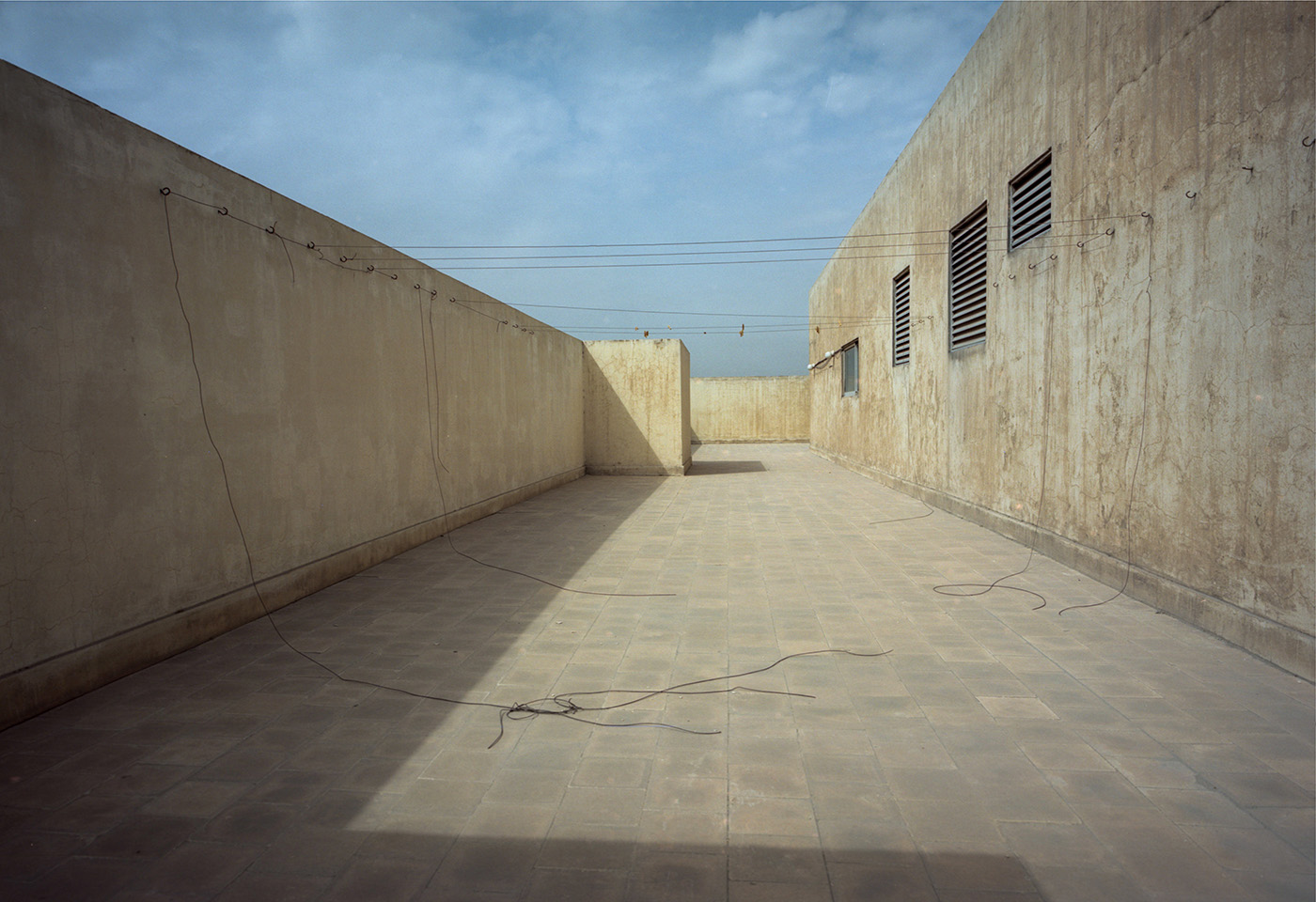
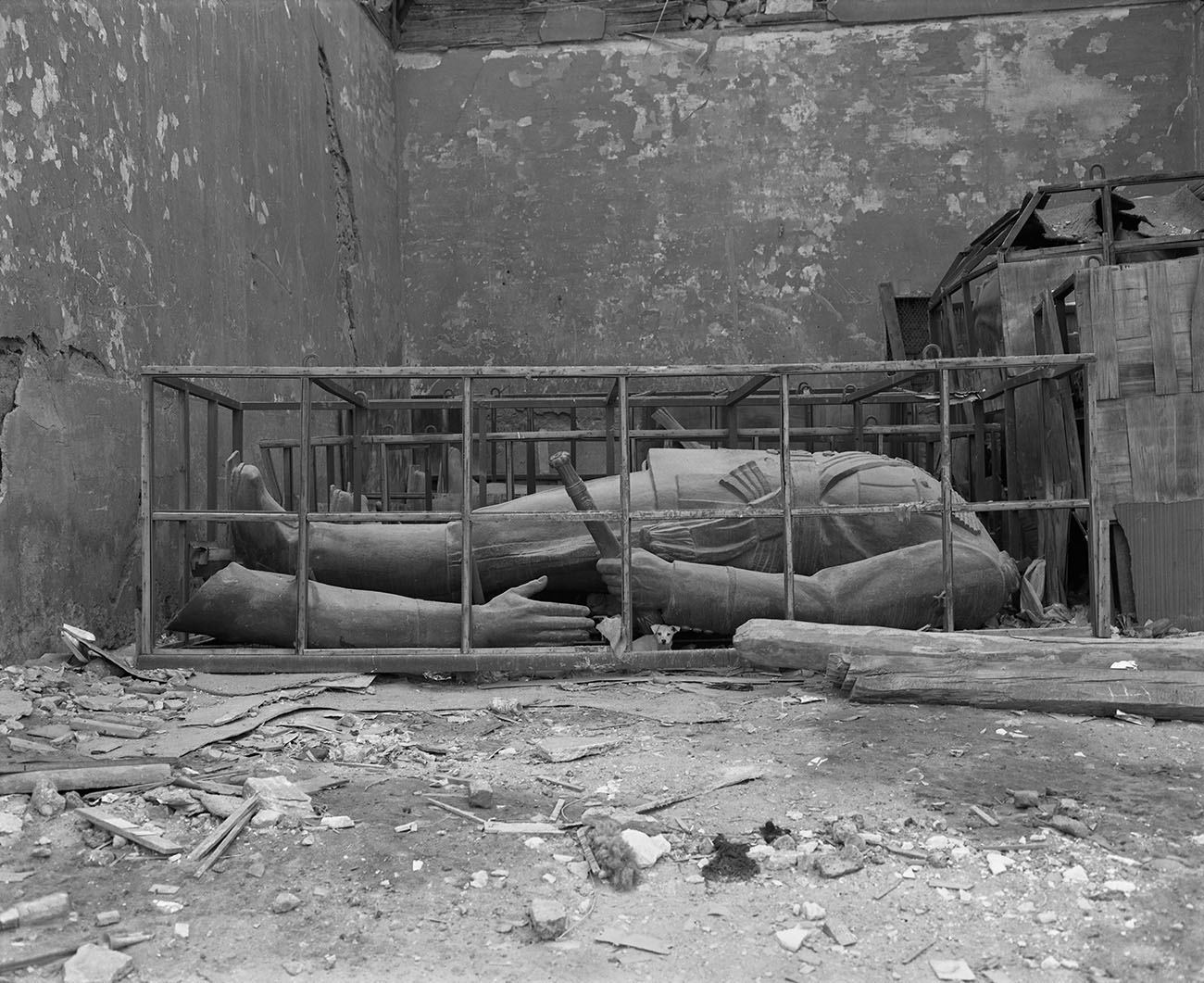
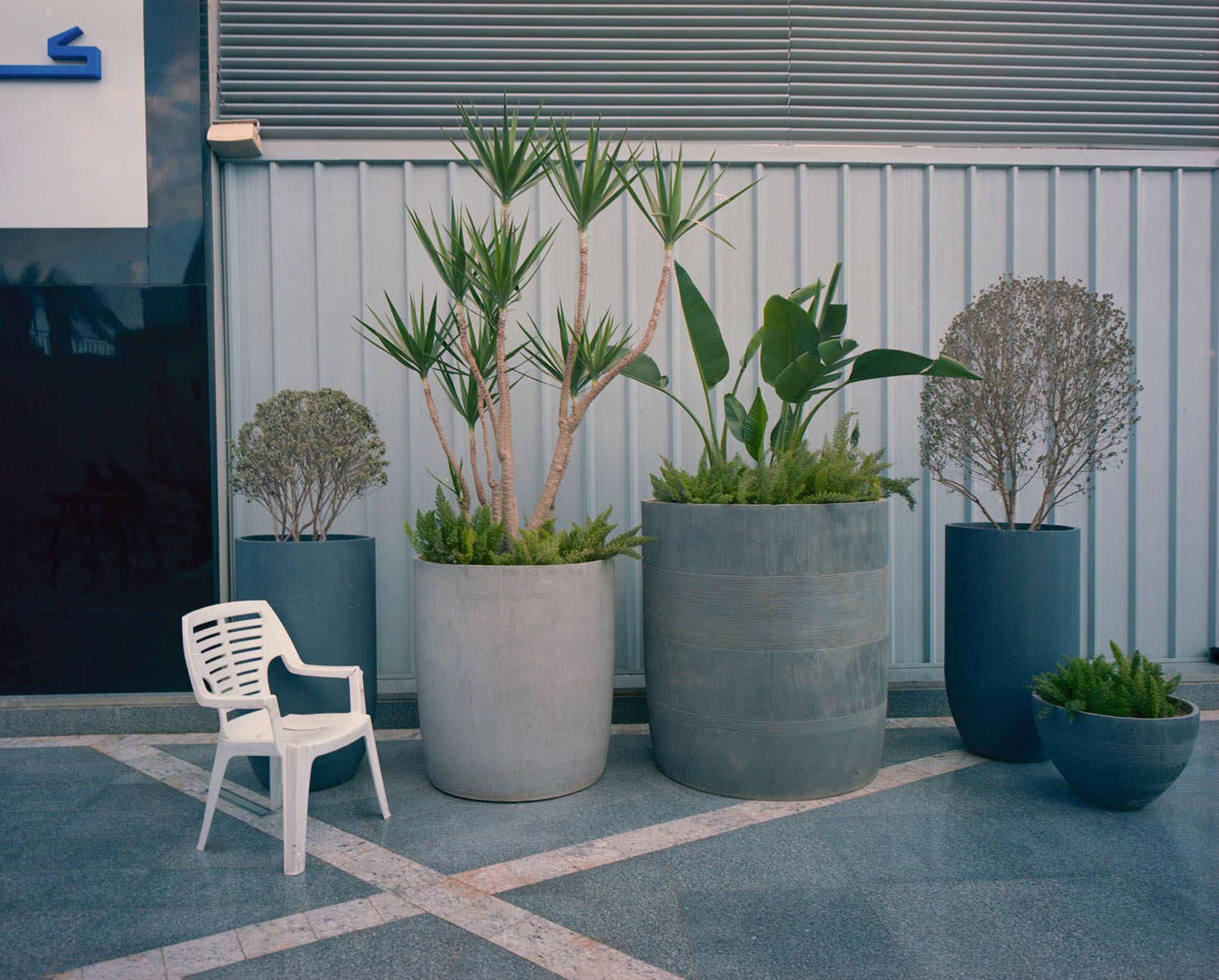
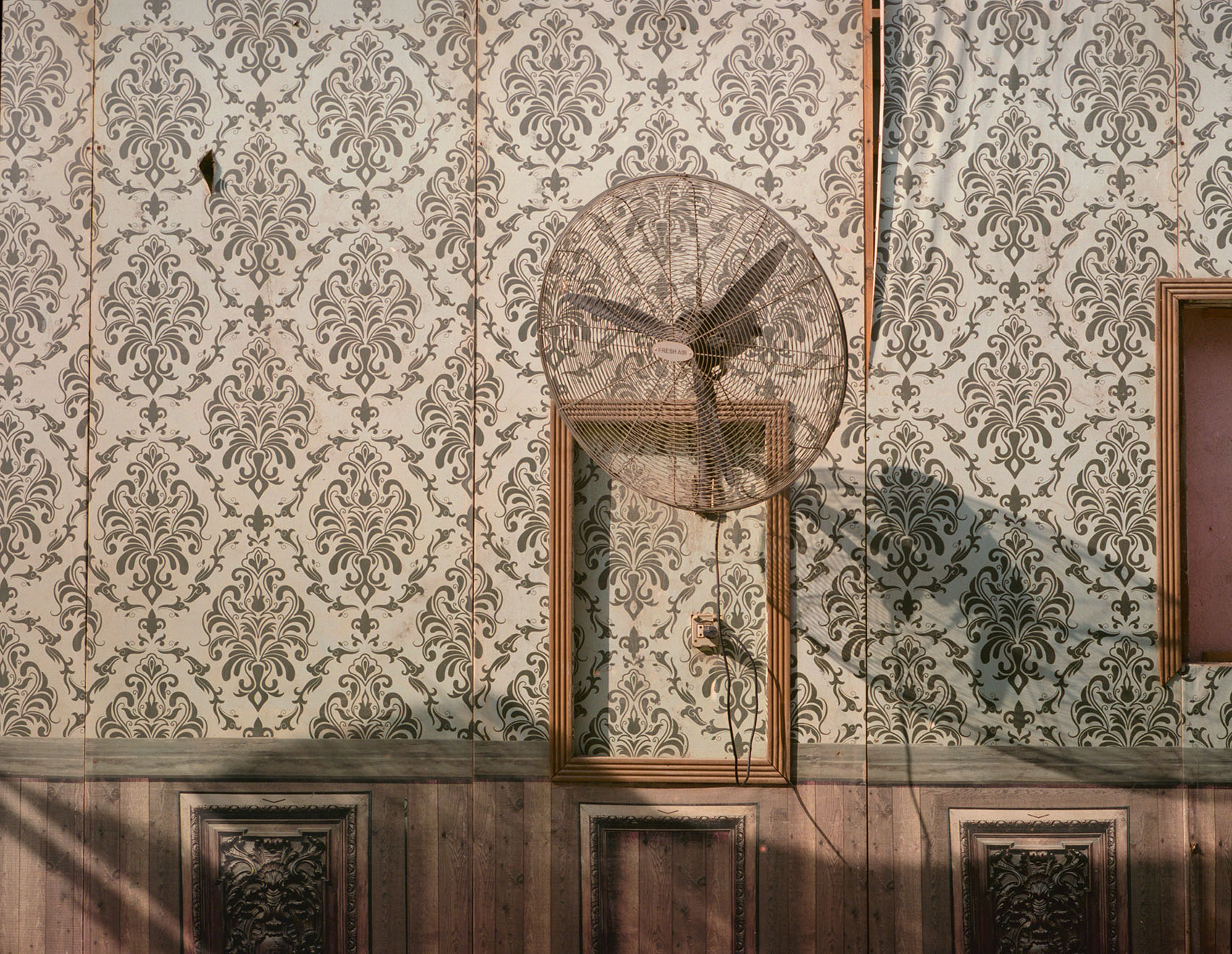
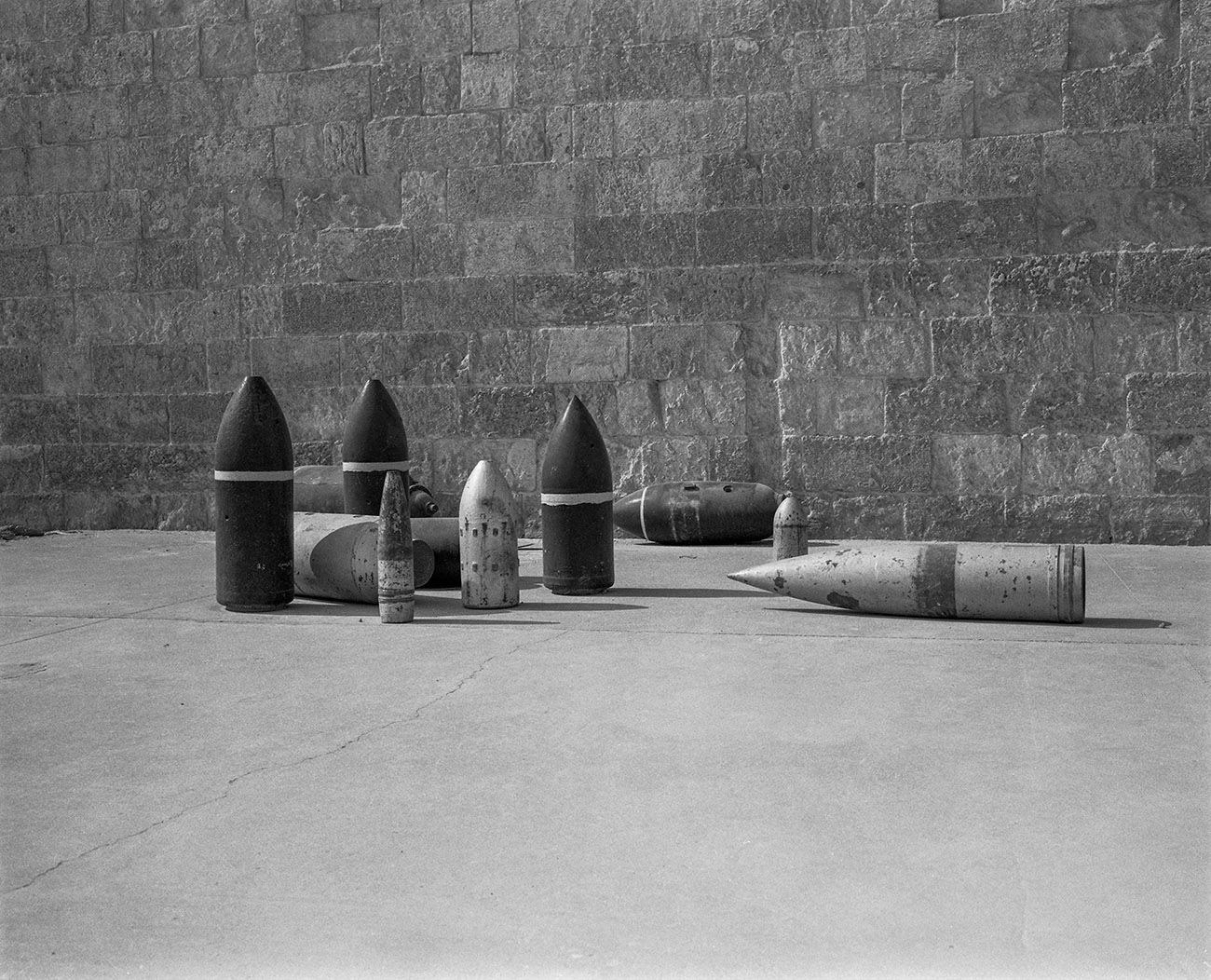
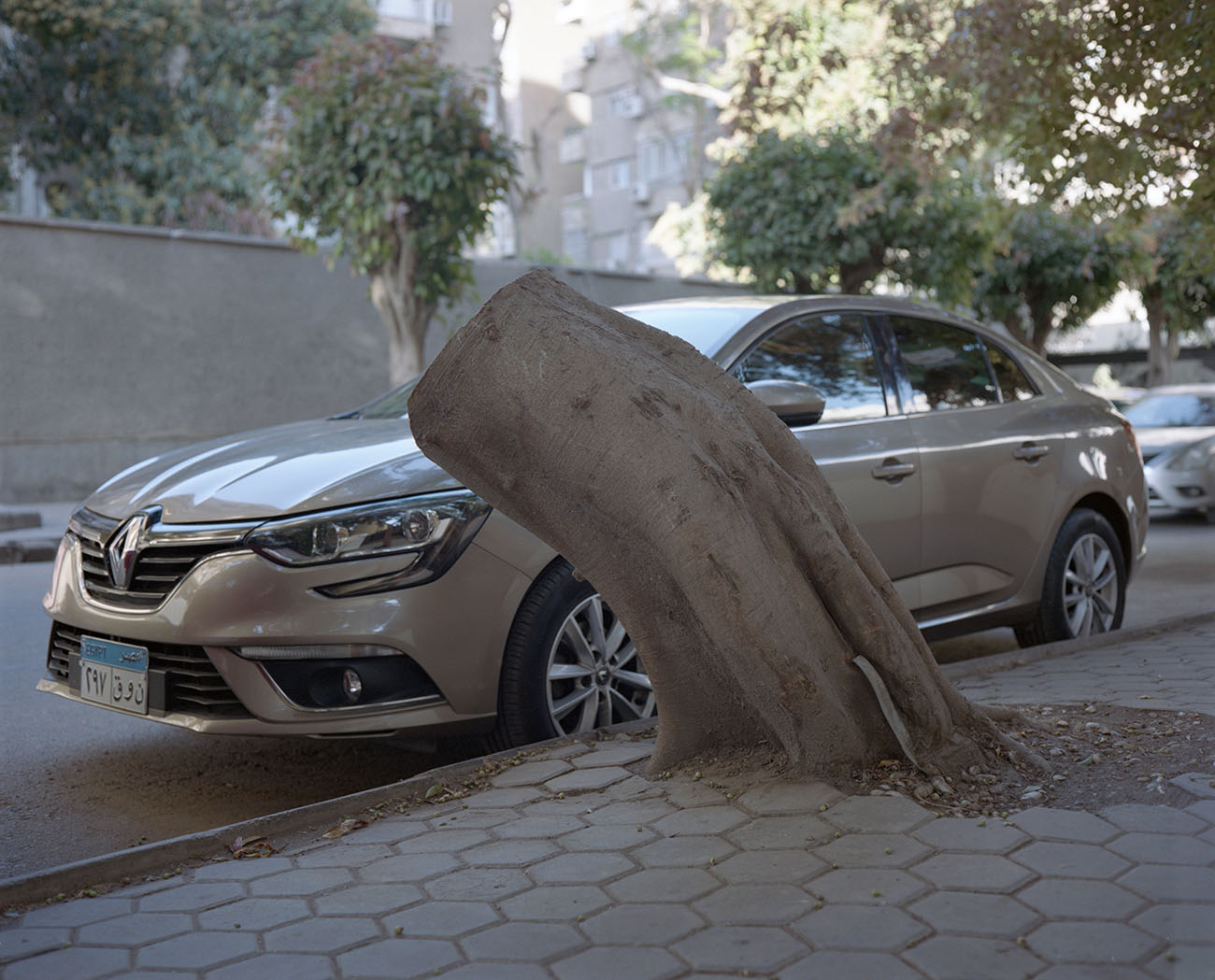
I was disappointed with the hundreds of photos I took during my first random walks. The photos were nothing more than what was captured in them and did not go beyond my personal experience. I wanted to capture something that is difficult to understand and comes from own knowledge. From a reflection on the cultural environment of a dynamically changing city, where references to ancient civilization and contemporary pop culture, Islamic tradition and Western mainstream culture, or the Coptic Orthodox Church and new residences stand juxtaposed. In the silence of timelessness, the concept of a subjective document crystallized, containing elements of the urban environmental landscape, architecture, and still life.